How to choose an AMD processor: Ryzen models, cores and what you need
AMD Ryzen processors cover everything from basic office PCs to high-end gaming and content creation. The model names look confusing, but three things decide most choices: how you will use the computer, how many cores you need, and whether the rest of the build supports the chip.
Read the model name
A Ryzen name has four digits and a letter suffix. The first digit is the generation: a 9000-series chip is newer than a 5000-series chip at the same tier. The second digit shows the performance tier, so a Ryzen 7 is faster than a Ryzen 5. The suffix matters too: X and X3D are the higher-performance versions, and G means the chip includes basic graphics.
Match the chip to your use
- Everyday tasks, browsing and office work: a Ryzen 5 is plenty.
- Gaming: a Ryzen 5 or 7, with an X3D model if the budget allows. Gaming depends a lot on the graphics card, so balance the two.
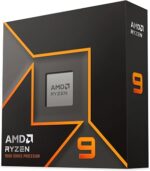
- Video editing, rendering, programming and multitasking: a Ryzen 9 with 12 to 16 cores.
Cores and threads
More cores help with heavy work that uses them all, such as rendering or compiling code. Most games and everyday apps gain little beyond 8 cores. Choose the core count for the work you do, not the biggest number on the box.
Check compatibility
- Socket: AM5 is the current socket for recent Ryzen chips. Older chips use AM4, and the two are not interchangeable.
- Motherboard: pick a board with the chipset that suits your plans. A simple B-series board is fine for most builds.
- Memory: AM5 uses DDR5. See our DDR5 guide before you buy memory.
- Cooler: most Ryzen chips include a basic cooler in some models, but a higher-end chip needs a better one. Check the box.
Power and cooling
Higher-tier chips draw more power and produce more heat. Make sure your power supply has enough headroom with a graphics card, and that the case has airflow. A chip that throttles under heat is slower than its rating suggests.
Checklist
- Decide your main use: gaming, work or everyday tasks.
- Pick the tier and core count that matches it.
- Check the socket matches your motherboard.
- Plan the memory (DDR5 for AM5) and a cooler that fits the chip.
Products in our store
We have one AMD desktop processor listed right now. It is the top pick for heavy work:
Prices are updated on a schedule, so the product page shows the current price when it is available.